Causes of Sleep Deprivation
Roommates
Your college roommate can either become your best friend for life or your worst nightmare, and one determinant is your sleeping schedule compatibility with your college roommate. Some people are early birds, and others are night owls. You might find that your roommate snores too loudly, plays loud music, keeps the lights on, or invites friends over late at night. Even if you think you can handle your college roommate’s sleeping habits because y’all are friends, living with others is often not conducive to sleeping.
Busy Schedules
Some college students deal with 6 a.m. lifts/practices and meetings throughout the day. Others deal with part-time jobs. And even those that don’t do either, the normal college course load is plenty enough to keep college students busy. It’s common knowledge that many college students pull off all-nighters or late night study sessions to catch up on their work, and this is one determinant in sleep deprivation.
Social Life
Fear of Missing Out (FOMO) is real. Maybe you hear there’s a party going on. Or maybe your friends are hanging out and watching a movie in another friend’s room. Or maybe something happens as small as you overhear a conversation going on in the hallway. You don’t want to be the one to miss out on something fun and only see what happened the next morning on someone’s Snapchat or Instagram story. College is a place to learn, but it’s also a place to make lasting friendships. Unfortunately, too much socializing can get in the way of someone’s sleep.
Alcohol
Many people think alcohol is good for sleep. Even though alcohol does help you fall asleep more quickly, the resulting sleep will be restless and less effective than the sleep you would have gotten.
No Curfew or Bedtime
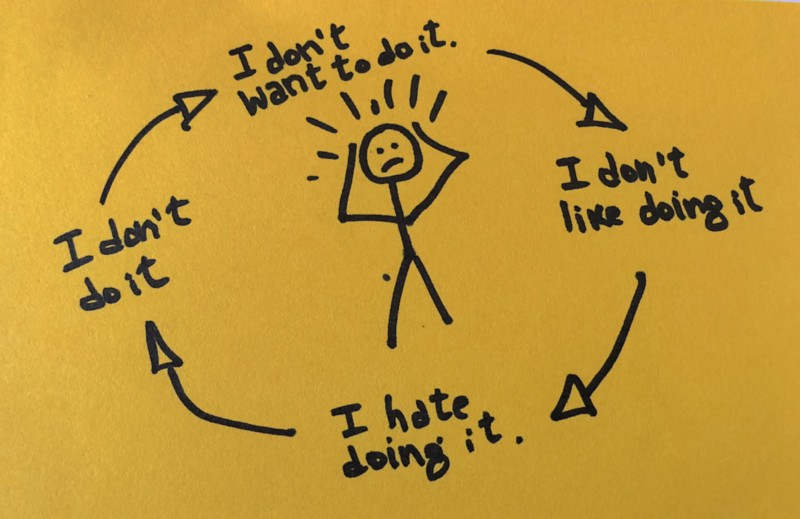
For students who are living on their own for the first time, the freedom of college often leads to staying up just because you can. Even if you don’t have anything pressing to do, you might end up staying up just to browse your social media, or you might start your 3rd rerun of your favorite sitcom. Although you might have thought you could live on our own when you were with your parents, poor self-care and daily schedules of college students often result in sleep deprivation.
Consequences of Sleep Deprivation
### Sleep Deprivation Affects your Grades
That one all-nighter before your midterm won’t largely impact your grades, but if sleep deprivation is a consistent thing in your college life, your grades will be affected. If you’re tired every day, you’re not going to retain information as effectively or write notes as well. You also might get to the point where you start falling asleep in classes or skipping classes to sleep.
Sleep Deprivation Affects You Physically
Sleep deprivation could negatively impact your immune system, resulting in making you more susceptible to common colds or the flu. And in turn, this results in you becoming even more sleep deprived since you will have a harder time falling asleep.
Additionally, if you are a student-athlete, sleep deprivation can affect your athletic performance. There’s a children’s animated movie called Meet the Robinsons where (spoiler alert) the whole conflict is a result of an orphan’s roommate keeping him up late at night, so during the following day when he has a baseball game, he is unable to make the game-winning catch because he falls asleep from his sleep deprivation.
Sleep Deprivation Affects Your Mood
Not getting enough sleep will increase stress. A sleepless night can result in a greater risk at developing mental disorders like depression or anxiety. One may also feel irritable after a sleepless night. Just think of the annoyance you feel when your alarm rings in the morning but extend that annoyance through the day. Sleep deprivation can negatively impact your mood.
Suggestions to Improve Sleep in College
### Free Up More Time for Yourself
I know FOMO is real, and you want to do everything readily available in college, but if your social interactions start interrupting your sleeping schedule, it’s time to start considering prioritizing things. You don’t have to hang out in your friend’s room every night. Something that I do is no matter what, if I have class the next day, I go to my room by 11 p.m. and go to sleep by midnight.
In addition, it’s important to realize how much free time you have on weekends and whether it’s worth allocating some time to study during the weekends.
Compromise with Your Roommates
Some of us are blessed to have compatible roommates, while others have to deal with that roommate who has 10 alarms in the morning. Perhaps you could set an alarm and wake your roommate up (not the most enticing compromise) or perhaps your roommate can start sleeping earlier so they won’t need 10 alarms in the morning. You won’t find the perfect solution immediately, but generally college roommates are willing to work together to make the living situation as comfortable for both parties as possible.
Deal with Your Neighbors
There are multiple ways to deal with your dorm. Perhaps listening to white noise while you sleep or wearing an eye mask may help you deal with your loud neighbors. You could also talk with your resident adviser or landlord, if living in an apartment, about how to best deal with the situation.
The best way to deal with your neighbors is to talk to them directly. If it’s during quiet hours or late at night, if you politely ask your neighbors to “turn it down,” chances are that they’ll be understanding and compliant. You don’t want to contact security, authority, or any person in a position of power without first talking with your neighbors.
Fix Your Sleeping Habits
If you leave plenty of time to sleep during the night but can’t fall asleep, it might be time to look at your sleeping habits. Do you work or watch TV shows/movies in your bed? Do you consume caffeine, sugar, or spicy food at night? Are you distracted by your phone while attempting to sleep?
I like to completely finish my studying for the day before I go back to my room at night. In addition, I like to put my phone under my pillow so I’m unable to see, feel, or hear the vibrations whenever I get a notification. Small lifestyle changes like these can make a huge impact on your sleep quality.
Next Steps
Ultimately, no matter what your schedule is, it is important and possible to sleep well in college. It may take some time and dedication, but you can achieve good sleep in college without sacrificing your grades or social life. You have to take charge and keep yourself accountable of your daily life and sleep schedule.
Are you in high school and not getting enough sleep during the college application process? Check out Prepmedians. We teach SAT/ACT test prep through sketch comedy and music so even in such a busy and stressful time like the college application process, you’ll be able to laugh. We also divide our lessons into 15-20 minute blocks so it’s easier to schedule test prep time.