Tag: Test Day

  • Creating A Study Vibes Playlist

    Creating A Study Vibes Playlist

    Before we begin, I’m going to take the time to insert yet another #ShamelessPlug. Check out my other article “Is Your Brain Hungry?” which outlines the best foods to eat to boost brain activity. See, that wasn’t too long to read now was it? Okay, let’s begin!


    Sure, there are plenty of ways to enhance your ability to focus, but a more enjoyable habit you can develop is simply listening to music. Listening to music can do a boat load of things for you including:

    • enhance efficiency (when performing tasks repetitively)
    • increase productivity
    • increase [mental] presence
    • stimulate creativity
    • improve mood due to release of dopamine

    If you’re struggling with productivity, or you’re unsure of what music to play in the background while you’re on Prepmedians studying for the SAT or ACT, consider these three different types of music to help you put your best foot forward.

    Classical

    So, there’s this theory called the “Mozart Effect” that claims that classical music can enhance brain activity, and can be used as a catalyst for improving health and well-being. Classical music is known to be very calming and relaxing, and therefore, it is also a huge stress reliever. Listening to classical music will not only help you study longer, but it will also help you retain more information. Try starting off with classical composers like Mozart, Beethoven, Bach, etc. I personally love to listen to classical music, specifically Tchaikovsky, when studying because the absence of lyrics has proven to not be a distraction for me when I’m trying to focus.

    Movie Scores

    One of my favorite movie scores has to be from the movie Inception. And trust me, you’ll be surprised at how empowering cinematic music scores can be. Even when you’re just chipping away at a list of clerical tasks, an epic soundtrack in the background makes what you’re doing more exciting. I, myself, happen to be both a Marvel fanatic and a Star Wars fanatic. In fact, my ringtone is the Avengers Assemble Theme from the 2012 soundtrack and my message notification sound is Darth Vader. Okay, I know what you’re thinking. Yeah, having the same taste as a seven year old boy is probably questionable and lame. That’s fair. Heck, I probably agree! But, call it what you want, I really don’t care. That’s beyond the point I’m trying to make. The point is that movie soundtracks can make the most mundane tasks feel important by simply lifting your spirit and brightening your mood. This will give you that extra boost of motivation we all yearn for, thus improving your productivity and concentration.
    ## Video Games
    The same thing applies to video games. The general purpose for video games is to create an enhanced experience for all of your senses. Thus, the music within these games echoes the simulated, stressful hardships you’re subjecting yourself to which keeps you engaged. Consider fantasy, action-adventure games like The Legend of Zelda or first-person shooter games like the Halo franchise.

    Nature

    Natural sounds are another way to boost your mood and focus. Why? Because they mask the distracting noises around you like people talking, eating, typing, etc. Enhance your cognitive function and concentration by listening to the soothing sounds of nature. I love rainy days, so listening to rainfall while studying creates an atmosphere that I enjoy which keeps me motivated.

    Remember that…

    Music is one of the very few things that connects us all. It’s a very cliché statement, but it’s true. Music is used in more ways beyond entertainment for ourselves. Music encourages us to be more productive and promotes our own creativity. All in all, music is beneficial to us because it helps with learning and improves our ability to process information.

    Click on the following link to get started on your Prepmedians journey and jam out to some music that stimulates brain activity while you’re at it wink wink.


  • ACT/SAT Checklist

    ACT/SAT Checklist

    What Do I Need?

    The keyword here is need. Think about all the supplies you need to enter your testing location, to do each section of the test, fill out the answer sheet, etc. Don’t worry about the things you want to bring just yet, we’ll get there in a second. Let’s begin!

    Admission Ticket

    Every time you register to take the test online, you should receive an email with your admission ticket attached. If not, contact them immediately! This ticket has all the important information needed to enter your testing location. The ticket shows your name, test center, and the test you’re taking; so, print this out ahead of time and make sure that this is in your bag! Without the admission ticket, you will not be allowed in.
    ## Photo ID
    An acceptable photo ID is not the selfie you took yesterday on baecation with your boo thang. Your driver’s license, state ID, passport, school-issued ID, or typically anything else that is government-issued are all examples of acceptable photo ID. At your testing location, your test proctor will use your photo ID to check your admission ticket to see if the names match. Therefore, similar to your admission ticket, you will not be allowed in without an acceptable photo ID.
    ## No. 2 Pencils
    The only writing utensil you can use to complete the test is a No. 2 pencil, so don’t even bother bringing in pens or other types of pencils. Make sure all of your pencils are freshly sharpened and bring at least four pencils (one for each subject test) or five if you’re doing the exam with the writing. This will also help you avoid constantly getting up and waste time sharpening your pencil.

    Side note: Also, make sure you have good erasers just in case you make mistakes. All errors have to be completely erased; otherwise, you risk affecting your score.

    Calculator

    A calculator is only allowed on one of the math sections of the SAT and the math section of the ACT. If you’re enrolled in a Pre-Calculus, AP Calculus, or AP Statistics course, then you probably already have a TI-84 Plus calculator which is suitable for the test. I highly recommend that calculator along with any other scientific calculator or graphing calculator.

    What Else Can I Bring?

    The following items are nice to have but aren’t required for you to bring to the testing center come test day.

    Bag

    You have a couple options here. You can bring your backpack, a purse or crossover bag, or a drawstring. All are suitable bag options which will make it possible for you to keep everything you have organized and in one place. I would go for a drawstring simply because it is not too big and not too small.
    ## Snacks
    As you may know by now, there will be several 5-minute breaks throughout the tests during which you can chow down on some snacks. You cannot eat during the actual exam. That being said, use these breaks to your advantage and eat some snacks to sustain you and drink some water for optimal focus and concentration. Click here to read my other article that will help you determine snack foods to eat for memory-boosting powers.

    Do NOT Bring…

    • ANY electronic devices
    • Dictionaries
    • Cheat sheets/notebooks

    For having any of the items above in your possession, you risk being immediately dismissed from the exam and your scores will automatically be cancelled. No refunds. Now, I know you’re thinking “How am I supposed to contact family to let them know I’ve finished?” or something else along those lines. Well, I’m not going to lie to you, I brought my cell phone. Ooooo I’m such a rebel, right? No, actually I’m pretty lame on the highest of keys. Anyways, I can’t stop you from bringing your cell phone, but just know that it should remain on silent, rather, turned off during the test and left inside your coat pocket or bag. The last thing we want is for you to be suspected of cheating, or even worse, caught doing so. There aren’t too many thieves roaming the halls of high schools stealing cell phones on exam day, so no need to worry. Your phone will do just fine without you for a couple of hours, trust me.

    If you have a disability, make sure your testing accommodations have been approved ahead of time by the College Board’s (or ACT’s) services for students with disabilities.


    Now you have all the items you need to bring with you on test day and you know what not to bring. But, how should you prepare? The answer’s simple: Prepmedians! Get started today! 🙂

  • 🎵 What Shall I Wear Today? 🎵

    🎵 What Shall I Wear Today? 🎵

    What to Wear on Exam Day

    When it comes to standardized testing, there are some external factors that can have a large impact on your performance, and picking the proper attire is one of them. So, let’s walk through what would be considered appropriate attire for exam day.

    Look Confident, but Comfortable

    The ACT and SAT test dates aren’t the first day of school where most students are looking to dress to impress. It’s okay if you’re not trying to wear a runway-ready look. In fact, it’s not that high on the priority list for most students. If there is anything for you to take away from this article, let it be that you should always choose comfort over fashion. You’re not gaining any brownie points for looking amazing, so make good decisions by avoiding clothes that cause you to fidget or re-adjust. However, promoting comfort as the number one priority does not mean that I am advocating students to show up looking like slobs. It’s important for me to note that if you feel good, you will be more inclined to do good things and that includes tackling the test.

    Shoes and Accessories

    Let’s be real here… no one ever wants to be known as “that kid” in class. The type of person that everyone else stares at angrily and probably hates because they consistently attempt to impress the professor. Same thing applies here, so listen up ladies! Be considerate to your fellow test-takers and don’t wear heels to the exam. You’re not impressing anyone by click-clacking your way back to your seat on already squeaky floors. I advise everyone to wear soft-soled shoes to avoid being a distraction for yourself and others. Also, note to everyone, avoid wearing noisy accessories and jewelry that can throw you and others off of your game. If you’d like, wear an old-fashioned watch for timing purposes like I’ve mentioned in my other article “The Clock Never Stops Ticking.”

    Lucky Charms?

    At one point or another, we’ve all had an object in our life that we’d consider a lucky charm. If you have one, bring it! Now, does this object actually help you find the answer to a question? Probably not. But, it does offer a sense of security and comfort that we all search for in stressful times. However, do not use this object as your only way to prepare for the exam. Check out our Prepmedians website to properly prepare to ace your exam(s).

    Hair

    If you have longer hair, avoid constantly pushing or blowing it out of your face by simply pulling it back or putting it in an easy updo. No one has the time to fix their hair while reading and answering passages on the exam, so make your life and the person’s sitting behind you easier.

    Layers

    If it’s hot outside, we wear shorts and t-shirts. If it’s cold outside, we wear sweatpants or jeans with sweaters or hoodies. Our outfits are determined by the weather outside during the day. We know that the weather is always changing, but the temperature outside doesn’t always reflect the temperature inside a building. Avoid being too hot or too cold by regulating your own temperature wearing multiple layers.

    Remember that…

    You should always choose comfort over fashion and don’t stress over wearing the perfect outfit on exam day. Also, try to pick out your outfits at night to avoid wasting time in the morning. Whatever outfit you decide to wear, I’m sure you will feel good entering and leaving the exam.

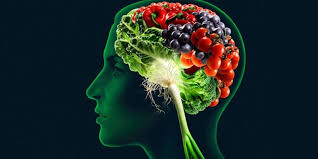
  • Is Your Brain Hungry?

    Is Your Brain Hungry?

    I know, I know. You probably don’t want to read another article telling you what foods you should and shouldn’t eat before you take the test, but bare with me here. This is simply one day, actually less than that if you really think about it, so I’m sure you can manage. Whether you like it or not, diet is essential when it comes to learning, but let’s be clear. I’m not talking about a temporary fad diet like a high-protein diet or a low-carb diet. I’m talking about a healthy, nutritional diet.

    Along with knowledge, the brain needs food to keep the mind sharp, heighten your attention span, and be cognitively flexible. And what’s more important than a sharp mind when taking a test? By increasing the level of healthy foods you eat, you can help boost your test scores. Here are some food options you can eat to improve your brain’s health and get a leg up on exam day:

    1. Fish

    Fish are a great source of Omega-3 protein which is an excellent source for quality brain functioning. This will help you stay sharp during your test because Omega-3s contribute to maintaining concentration abilities, brain capacity, and general alertness. The best fish to eat for Omega-3 protein are Wild Alaskan salmon, or other types of oily, cold-water fish like herring, mackerel, sardines, and trout. Now, I’m not expecting you to get up and pry open a can of sardines or cook fish to eat for breakfast, but eating a meal with fish the night before taking the test should suffice.

    For my vegan and vegetarian friends, there are some vegetable sources to get your Omega-3s. For example, hemp protein and flax seeds work just fine, but make sure the flax seeds are grounded; otherwise you won’t retain any of the nutrients.

    2. Complex Carbohydrates

    If you didn’t know by now, the brain is like an engine and it needs fuel, or sugar to properly function. However, the simple sugars in sodas and candy that comes to mind burn up too quickly to give you the steady energy needed to power through this long test. Therefore, the best source of fuel is complex carbohydrates because the brain needs twice as much energy as the rest of the cells in your body. Complex carbohydrates are minimally processed fruits, vegetables, and grains.

    They say the blacker the berry, the sweeter the juice; but for antioxidants, a good general rule is the darker the fruit or vegetable, the healthier it is for you. Why? Because antioxidants are most beneficial when obtained through whole foods like blueberries, artichokes, prunes, apples, etc. Pack these types of food to snack on during breaks on the day of the test. Take advantage of these brain breaks to consume food that will keep your energy up as opposed to junk food that will cause a crash. If you’re not the snacking type, incorporate some complex carbohydrates into your morning pre-test breakfast by eating some steel cut oatmeal and some berries. Yum!

    3. Protein

    I, myself, am a protein kind of gal wink wink. And from that, I found that protein is vital for sustained energy. Plus, eating meals that include protein are recommended because protein lessens anxiety which can be pretty useful come test day. I mean, am I right? Or am I right? Some great sources of protein include eggs/egg whites, soy food products, lean meats, milk etc. That shouldn’t be too hard for you to include in your diet even though most of us eat these foods on the regular. Protein-heavy foods help to increase mental clarity and concentration, so just eat eggs for breakfast and I’m sure you’ll do eggcellent on the test! Yeah, that was corny, but what’s done is done.

    4. Water

    It’s a no brainer (pun intended… Okay, I’ll stop…) that proper hydration is important for brain functionality, so drink plenty of water the night before and the morning of the test. To ensure hydration even further, bring a water bottle to the test and take a couple of sips any time you feel hungry or slightly fatigued. The last thing we want is for you to be dehydrated during the exam because that alone can diminish concentration and drain your physical energy. #StayThirstyMyFriends.

    Keep in mind that…

    You shouldn’t rely on healthy eating habits alone to boost your test scores or focus on your academics. That’s why you have Prepmedians to guide you on the path to success on these standardized tests. Hey, that rhymed! Anyways, fixing your diet is a great way to maintain optimal mental performance, and who knows, you may even develop a new healthy lifestyle!

  • The Clock Never Stops Ticking

    The Clock Never Stops Ticking

    If you’re anything like me when I was in high school, you reign supreme in procrastination nation. If there’s a class called “Procrastination 101,” you’d ace it easily, and the concept of time management is completely foreign to you. But time management isn’t what it is perceived to be — it has nothing to do with managing time. Why? Because you can’t actually manage time, can you? Time is ineluctable. The grains of sand fall and time marches on whether you like it or not. Therefore, “time management” is simply behavior management, and it’s about managing your productivity within the time you’re given.

    ACT Pacing and Time Management Strategies

    The ACT is an oxymoron in itself; it’s both a road trip AND a ride around the corner to the gas station – it’s a long test that one must move through very quickly. The ACT tests more than your knowledge. The exam is also a measure of your performance under pressure and, essentially, the implementation of the test-taking strategies you practiced. Let’s go through some strategies that will help you tackle the ACT without running out of time!

    Strategy 1: Budget Your Time

    I suggest getting an old-fashioned watch to help you keep track of your pacing, without the added cost of constantly looking up and calculating how many minutes you have left. When practicing for the exam, divide each of the tests into groups of problems. This way, you’ll know the proper amount of time that should be allotted to every type of problem on every page for each section. And if you can’t finish within that allotted amount of time, remember to keep moving because you may be able to come back to it later.

    Strategy 2: Know the Format for Every Test

    Always keep track of the amount of questions you have left! Luckily, the number of questions per section never changes, so practice with the format in mind. The number of questions per section is as follows:

    • The ACT English Test has 75 test questions.
    • The ACT Math Test has 60 questions.
    • The ACT Reading Test has 40 test questions.
    • The ACT Science Test has 40 test questions.

    This is all discussed in Alan’s article on the ACT test breakdown. Check it out here!

    Strategy 3: Easy Questions

    Don’t rush through the first half of each section. Instead, move quickly through the easy questions to save time for the harder questions at the end. You can also try skimming through the test, only stopping to do problems you are 100% certain on.

    Either way, you are choosing a method that leaves you more time to work on the harder problems. However, this does not guarantee that you’ll get to every single problem.

    Strategy 4: Answer ALL Questions

    Don’t let a few hard questions ruin your chance to finish all of them because you refused to “give up” on them! Remember that there’s no wrong answer penalty on the ACT test, so when it’s coming down to the wire and you have to answer the last couple of questions, always bubble in an answer. When I was in grade school, everyone would tell you to guess “C” for questions you didn’t know the answer to or questions you didn’t have the time to answer. However, it’s NOT true that always choosing C will give you a better rate of success when blind guessing because ACT answer keys are completely computer generated and randomized. The best strategy is to pick your favorite letter and stick with it. Could that be the letter C? Sure, go right ahead! Just remember to choose it every single time when blind guessing. This strategy on average and over a spread, will let you maximize your overall point-gain in comparison to randomized guessing. All in all, if you’re spending around two minutes or more on a single question, it’s time to guess and move on because every point helps!

    Remember that…

    The best way to know what to expect on the test is to practice, and I can’t express that enough. Timed practice is more valuable than untimed practice, so practice, practice, practice!

    You can practice time management and learn more about the ACT by visiting our Prepmedians website and working through our modules. Have fun!